Common Causes of Skiing Accidents in Colorado
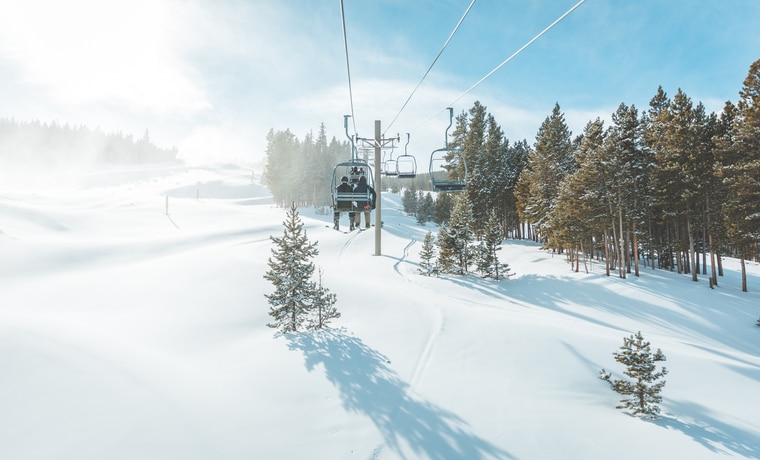 Colorado is home to some of the most popular ski resorts in the world. Every year, millions of locals and visitors hit the slopes to enjoy fresh powder, scenic views, and challenging terrain. While skiing can be an unforgettable experience, it also carries real risks. Serious injuries happen every season, often due to preventable causes.
Understanding the most common causes of skiing accidents in Colorado can help skiers stay safer and recognize when an injury may involve negligence. When accidents occur due to someone else’s actions or a resort’s failure to maintain safe conditions, injured skiers may have legal options. Treviño Law works with individuals and families who have been hurt on Colorado slopes and need guidance during a difficult time.
Why Skiing Accidents Are Common in Colorado
Colorado’s ski industry thrives because of its high elevations, consistent snowfall, and expansive resort terrain. However, these same features can also increase accident risks. Crowded slopes, variable weather conditions, and a wide range of skill levels create an environment where accidents can happen quickly.
According to data from the National Ski Areas Association, thousands of skiing and snowboarding injuries are reported across the United States each year, with Colorado accounting for a significant portion due to its volume of skiers. Many of these injuries involve fractures, head trauma, spinal injuries, and torn ligaments.
While some accidents are unavoidable, others stem from negligence, reckless behavior, or unsafe conditions that could have been addressed.
Collisions With Other Skiers and Snowboarders
One of the most common causes of skiing accidents in Colorado is collisions between skiers and snowboarders. Slopes can become crowded, especially during weekends, holidays, and peak season. When skiers travel at excessive speeds, fail to yield the right of way, or ignore posted signage, collisions become more likely.
The Colorado Skier Safety Act outlines basic responsibilities for skiers, including maintaining control and avoiding downhill skiers. When someone disregards these responsibilities, serious injuries can result.
Collisions may involve:
- Inexperienced skiers losing control
- Reckless or aggressive skiing behavior
- Failure to obey posted trail markings
- Skiers stopping in unsafe or obstructed areas
In some cases, a collision may justify a personal injury claim, particularly when one party clearly violated safety rules.
Poorly Marked or Maintained Trails
Ski resorts have a duty to properly mark trails, hazards, and boundaries. When trails are poorly maintained or hazards are not clearly identified, skiers may be exposed to unexpected dangers.
Common trail-related issues include unmarked obstacles, sudden drop-offs, exposed rocks, or inadequate warnings about changing terrain. Tree wells and partially covered stumps can also pose serious risks, especially after heavy snowfall.
The Colorado Skier Safety Act provides resorts with certain protections, but it also requires them to take reasonable steps to warn skiers of known hazards. When resorts fail to meet these obligations, injured skiers may have grounds to pursue compensation.
Lift-Related Accidents
Ski lifts are essential to the skiing experience, but malfunctions or operator errors can lead to serious injuries. While lift accidents are less common than slope-related incidents, they often result in severe harm when they occur.
Lift-related accidents may involve:
- Improper loading or unloading assistance
- Sudden stops or jerks causing falls
- Mechanical failures
- Inadequate supervision of passengers
The Colorado Passenger Tramway Safety Act regulates ski lift safety and maintenance standards. When operators fail to comply with these regulations, injured passengers may have legal recourse.
Equipment Failures and Rental Issues
Ski equipment plays a critical role in safety. Faulty bindings, poorly adjusted boots, or damaged skis can all increase the risk of injury. Many skiers rely on rental equipment provided by resorts or third-party vendors, trusting that the gear is properly maintained and fitted.
Equipment-related accidents may be caused by:
- Improper binding settings
- Worn or defective equipment
- Failure to adjust equipment based on skier ability
- Lack of proper instruction for beginners
In these cases, liability may rest with the rental company, equipment manufacturer, or another responsible party. The U.S. Consumer Product Safety Commission provides safety guidance related to winter sports equipment and injury prevention.
Weather and Snow Conditions
Colorado weather can change rapidly, affecting visibility and snow quality. Whiteout conditions, icy patches, and heavy snowfall can all contribute to accidents, especially for less experienced skiers.
While weather itself is not negligence, resorts are expected to take reasonable precautions during hazardous conditions. This may include closing unsafe runs, posting warnings, or adjusting lift operations.
When resorts fail to act appropriately in dangerous weather conditions, injured skiers may question whether proper safety measures were taken.
Alcohol and Drug Use on the Slopes
Alcohol consumption is another contributing factor in skiing accidents. Many resorts feature on-mountain bars and après-ski culture, which can lead to impaired judgment and slower reaction times.
Skiing under the influence increases the risk of collisions, falls, and poor decision-making. In some cases, intoxicated skiers may be held liable for injuries they cause to others.
Beginner Mistakes and Lack of Instruction
Colorado attracts many first-time skiers each year. Beginners are more likely to lose control, misjudge terrain, or panic during descents. While learning curves are expected, accidents can happen when resorts fail to provide adequate instruction or allow beginners onto trails beyond their skill level.
Resorts offering ski lessons and clear trail classifications help reduce these risks. Problems arise when instruction is rushed, supervision is lacking, or trail difficulty is not clearly communicated.
Understanding Liability After a Skiing Accident
Skiing accidents often involve complex liability issues. Colorado law recognizes that skiing is inherently risky, but that does not give resorts or individuals a free pass to act carelessly.
Depending on the circumstances, responsible parties may include:
- Another skier or snowboarder
- Ski resort operators
- Lift operators
- Equipment rental companies
- Manufacturers of defective gear
Determining liability requires a careful review of ski laws, accident reports, witness statements, and resort policies. This is where experienced legal guidance can make a significant difference.
How Treviño Law Helps Injured Skiers
After a serious skiing accident, injured individuals may face medical bills, lost income, and long-term recovery challenges. Navigating insurance claims and liability laws can be overwhelming, especially while trying to heal.
Treviño Law represents clients who have been injured in skiing accidents throughout Colorado. The firm understands the nuances of the Colorado Skier Safety Act and other relevant regulations. By investigating the cause of the accident and identifying responsible parties, the firm helps clients pursue compensation for medical expenses, pain and suffering, and other damages.
If you or a loved one has been injured on the slopes, speaking with a knowledgeable attorney can help you understand your rights and options. You can learn more about legal support for skiing injuries by visiting the Denver skiing accident attorney page.
Protecting Yourself on Colorado Slopes
While not all accidents can be prevented, skiers can reduce risks by following safety guidelines, wearing appropriate protective gear, and staying within their skill level. Awareness of common accident causes also helps skiers recognize dangerous situations before they escalate.
When injuries do occur due to negligence, legal accountability plays an important role in improving safety standards across the ski industry.
If you have questions about a skiing accident or believe your injury may have been caused by someone else’s actions, Treviño Law is available to provide guidance and support.