Why Delivery Accidents Are Increasing in Austin
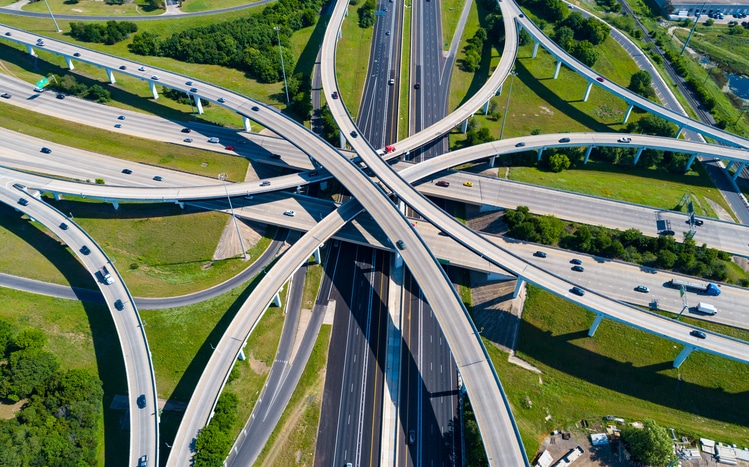 Austin has changed dramatically over the last decade. The city’s population has surged, new developments seem to appear overnight, and the way people shop and eat has shifted toward on demand convenience. With a few taps on a phone, groceries, restaurant meals, and retail packages arrive at the front door within hours. While this convenience is undeniable, it has also led to a troubling trend: delivery accidents are increasing across Austin.
At Treviño Law, we have seen firsthand how serious these crashes can be. Victims are often left dealing with painful injuries, lost wages, and confusion over who is responsible. If you or a loved one has been injured in a crash involving a delivery vehicle, you can learn more about your legal options by visiting our Austin delivery vehicle accident lawyer page.
This article explores why delivery accidents are on the rise in Austin, what makes them different from typical car crashes, and what injured victims should know about their rights.
Austin’s Rapid Growth and Traffic Congestion
Austin is one of the fastest growing cities in the United States. According to the U.S. Census Bureau’s Austin population data, the city has experienced consistent population growth in recent years. More residents mean more vehicles on the road, and that translates directly into heavier traffic.
Congested highways like I-35, Mopac, and Highway 183 are already challenging for everyday drivers. Add in hundreds of delivery vehicles trying to meet strict deadlines, and the risk of accidents increases. Delivery drivers often weave through traffic, make sudden stops, and navigate unfamiliar neighborhoods under time pressure.
When traffic density rises, even small mistakes can lead to serious collisions. In a busy city like Austin, a split second of distraction can result in a chain reaction crash.
The Explosion of Food and Package Delivery Services
The popularity of services such as Amazon, UPS, FedEx, DoorDash, Uber Eats, and Instacart has changed driving patterns across the city. Delivery vehicles are no longer limited to traditional business hours. Instead, they are on the road early in the morning, late at night, and throughout weekends.
The growth of e commerce has been well documented by the U.S. Census Bureau’s retail e commerce reports, which show sustained increases in online shopping. More online orders mean more delivery trucks, vans, and gig drivers on residential streets.
Unlike standard commuters who travel predictable routes, delivery drivers frequently enter residential neighborhoods, apartment complexes, and construction zones. These environments often involve pedestrians, cyclists, children, and parked cars, all of which increase the likelihood of collisions.
Pressure to Meet Tight Deadlines
Many delivery companies operate on strict timelines. Drivers may be rated based on how quickly they complete routes. Gig economy workers are often paid per delivery, which can create an incentive to rush.
When drivers feel pressured to meet quotas or delivery windows, risky behaviors can follow. These include:
- Speeding through neighborhoods
- Running yellow or red lights
- Making illegal U turns
- Double parking in unsafe locations
- Using mobile apps while driving
The National Highway Traffic Safety Administration has consistently identified speeding and distracted driving as leading causes of crashes nationwide. When delivery drivers combine both, the risk increases significantly.
Distracted Driving and App Dependence
Unlike traditional truck drivers who may follow a fixed route, many delivery drivers rely heavily on smartphone apps for navigation, order updates, and customer communication. Each notification, text, or change in instructions can divert attention from the road.
Even hands free use can reduce a driver’s situational awareness. In a city as busy as Austin, where pedestrians and cyclists are common, a brief distraction can result in catastrophic injuries.
Additionally, gig drivers often switch between apps to maximize earnings. Managing multiple platforms at once increases cognitive load and the likelihood of mistakes.
Larger Vehicles on Narrow Residential Streets
Not all delivery accidents involve small cars. Many companies use large vans and box trucks that have significant blind spots. These vehicles may be difficult to maneuver in tight residential areas or crowded downtown streets.
Blind spots make it harder for drivers to see cyclists, pedestrians, and smaller vehicles. When combined with frequent stops and starts, the potential for rear end and side impact collisions increases.
Injuries involving larger delivery vehicles are often more severe due to the size and weight difference between vehicles.
Inexperienced or Undertrained Drivers
The rapid growth of delivery services has created high demand for drivers. In some cases, companies hire quickly to keep up with demand. While many drivers are responsible and careful, others may lack sufficient training or experience driving large vehicles.
Some gig workers use their personal vehicles and may not fully understand commercial insurance requirements or safe delivery practices. Without comprehensive training, drivers may not be prepared to handle Austin’s congested roads and unpredictable traffic patterns.
Construction Zones and Changing Infrastructure
Austin is constantly under construction. Road expansions, new apartment complexes, and commercial developments create shifting traffic patterns and temporary detours. Delivery drivers, especially those unfamiliar with certain neighborhoods, may struggle to navigate these changes safely.
Construction zones often involve reduced speed limits, narrowed lanes, and workers on foot. When drivers rush through these areas, serious accidents can occur.
Why Delivery Accidents Are Legally Complex
Delivery accidents are not always straightforward. Unlike a typical car crash between two private drivers, these cases may involve multiple parties, including:
- The delivery driver
- The driver’s personal insurance company
- The delivery company
- A third party contractor
Determining liability depends on factors such as whether the driver was actively making a delivery, whether they were classified as an employee or independent contractor, and what insurance policies apply at the time of the crash.
For example, a driver logged into a delivery app may be covered by a commercial policy, but coverage limits and conditions vary. Sorting through these layers can be overwhelming for injured victims who are already coping with medical bills and recovery.
Common Injuries in Austin Delivery Accidents
Because delivery vehicles are often larger and heavier than passenger cars, injuries can be severe. Common injuries include:
- Traumatic brain injuries
- Spinal cord injuries
- Broken bones
- Internal bleeding
- Whiplash and soft tissue injuries
Victims may face long recovery periods, ongoing medical treatment, and lost income. In some cases, injuries lead to permanent disability.
What to Do After a Delivery Vehicle Accident in Austin
If you are involved in a crash with a delivery vehicle, taking the right steps can protect both your health and your legal claim:
- Seek medical attention immediately, even if injuries seem minor.
- Call law enforcement and request a police report.
- Document the scene with photos and gather witness information.
- Note the delivery company name and any identifying information on the vehicle.
- Avoid giving recorded statements to insurance companies before speaking with an attorney.
Early investigation can be critical. Delivery companies may have electronic logs, GPS data, and app activity records that help establish what the driver was doing at the time of the crash.
How Treviño Law Helps Injury Victims
At Treviño Law, we understand the unique challenges involved in delivery accident cases. We investigate every angle, from driver conduct to company policies and insurance coverage. Our goal is to pursue full compensation for medical expenses, lost wages, pain and suffering, and other damages allowed under Texas law.
We believe in clear communication and personalized attention. Every case is different, and we take the time to understand how an accident has impacted your life.
If you have questions about your rights after a crash involving a delivery vehicle, our team is ready to help. Visit our delivery vehicle accident lawyer in Austin page to schedule a free consultation.
The Bigger Picture: Balancing Convenience and Safety
Delivery services are likely here to stay. They offer convenience that modern consumers value. However, as Austin continues to grow, safety must remain a priority. Companies, drivers, city planners, and residents all play a role in reducing accident risks.
Stronger safety policies, better driver training, and responsible driving habits can help reduce collisions. Until then, understanding why delivery accidents are increasing in Austin is the first step toward protecting yourself and your family.
If you or someone you love has been injured, do not navigate the aftermath alone. Treviño Law is committed to standing up for accident victims across Austin and holding negligent parties accountable.